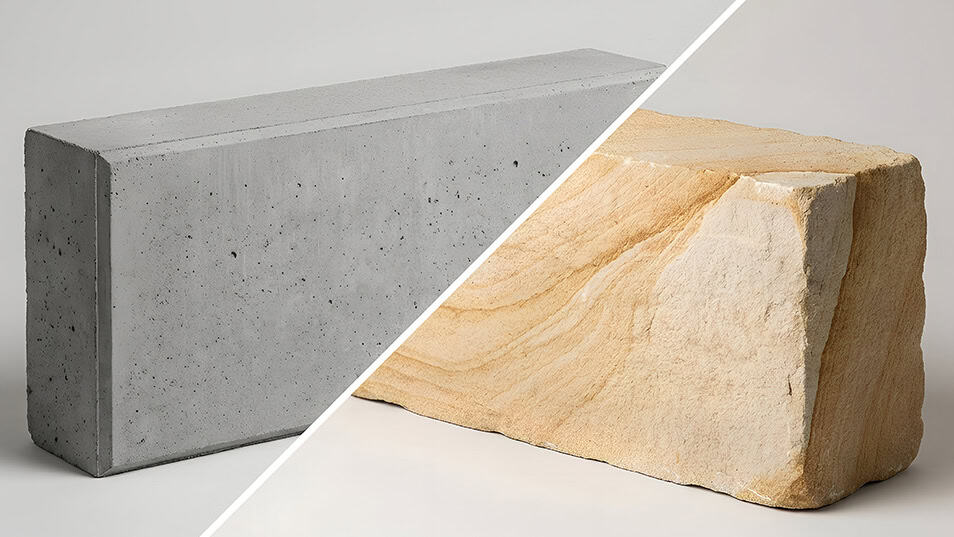
When planning a new landscaping project, one of the most important decisions is choosing the right material. Sandstone and concrete are two of the most widely used options for retaining walls, garden edging, pathways and outdoor construction. Both materials offer different benefits and suit different types of projects, but understanding their performance, appearance and long-term value can help you make the right choice for your property.
This article compares sandstone and concrete across durability, cost, aesthetics, maintenance and environmental impact to help property owners and landscapers choose the most suitable material.
Natural Appearance and Aesthetic Appeal
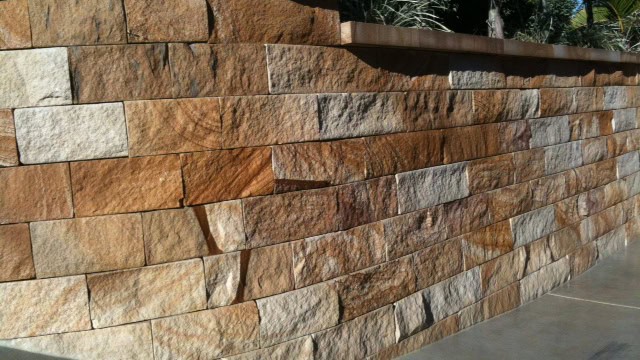
One of the biggest differences between sandstone and concrete is the way they look. Sandstone is a natural stone formed over millions of years, which means every block or piece has unique colour tones, grains and veining. This natural variation adds visual depth and creates a high-quality finish that blends seamlessly with Queensland landscapes.
Concrete, on the other hand, is a manufactured product that offers uniform texture and colour. While this consistency suits modern designs, it lacks the natural beauty and character of stone. Concrete can also fade over time, especially when exposed to sunlight and weather.
For projects where appearance is a major consideration, sandstone provides a premium, timeless finish that works well for feature walls, retaining walls, garden steps and pathways.
Durability and Strength
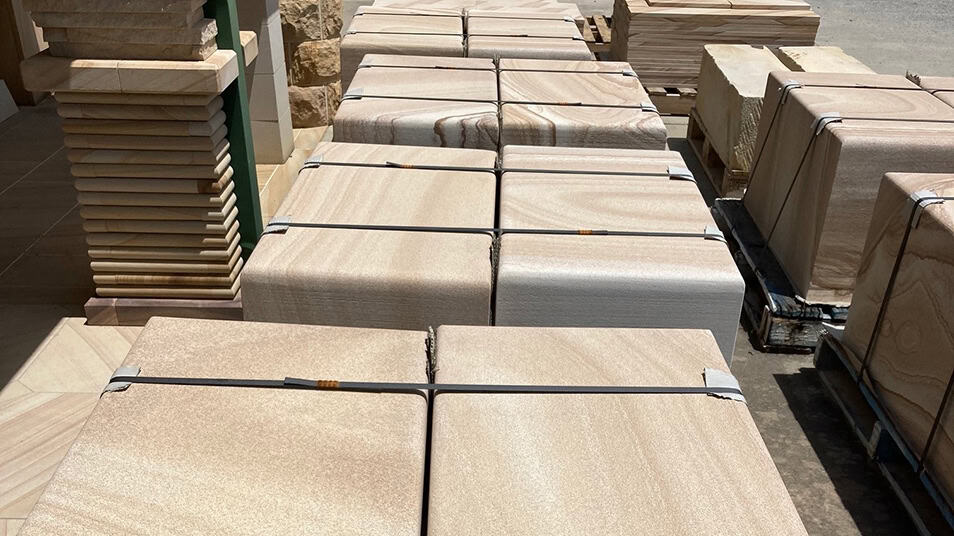
Both sandstone and concrete offer strength and structural stability, but sandstone performs better in long-term outdoor applications. Natural sandstone is dense, weather-resistant and holds its integrity under heat and heavy rain. It does not warp or crack easily and can last for decades with minimal maintenance.
Concrete is strong when newly installed, but it is more prone to cracking, erosion and surface wear over time. Temperature changes, soil movement and moisture absorption can weaken concrete structures. In retaining walls, cracked concrete may lead to structural issues, while sandstone remains more stable under similar conditions.

For structural projects exposed to harsh weather or heavy loads, sandstone generally provides greater durability and longevity.
Cost Comparison
Concrete is often chosen for budget-driven projects because the upfront cost can be lower than that of natural stone. However, long-term maintenance and replacement costs should be considered. Concrete may require repairs or resurfacing over time, which adds to the total cost of ownership.
Sandstone has a higher initial cost compared to basic concrete, but it offers better long-term value due to its durability and minimal maintenance requirements. Sandstone blocks and boulders also cover more visual area per piece, which can reduce installation time and labour costs depending on the project.
When long-term performance and reduced maintenance matter, sandstone can be more cost-effective overall.
Installation Requirements
Concrete requires precise installation to avoid future cracking or shifting. This includes reinforced footings, proper compaction and additional structural support. Incorrect installation can quickly lead to costly repairs.
Sandstone is more forgiving during installation. Large stone blocks are naturally stable, and irregular pieces can be adjusted to suit the shape of the project. Sandstone is commonly used by landscapers because it allows flexibility while still achieving a strong finished structure.
DIY installers also find sandstone easier to manage in small projects such as garden edging and steps.
Maintenance and Longevity
Sandstone requires very little maintenance. A high-quality sealer is recommended for exposed areas, but even unsealed sandstone holds its colour and structure well over time. Washing with water is usually enough to maintain its appearance.
Concrete requires more frequent care. It may need sealing, resurfacing or crack repairs every few years, depending on its use and exposure. Faded concrete may also require repainting or re-coating to restore its appearance.
Sandstone generally lasts longer with fewer maintenance costs, particularly in Queensland’s climate.
Environmental Impact
Sandstone is a natural, quarried product with minimal processing, making it one of the most environmentally friendly building materials available. It does not contain chemicals or artificial colourants and has a long lifespan.
Concrete has a higher environmental impact due to the production of cement, which requires significant energy and emits carbon dioxide. Concrete waste is also more difficult to dispose of.
For environmentally conscious projects, sandstone is a more sustainable option.
When to Choose Sandstone or Concrete
Sandstone is best for:
- retaining walls
- feature walls
- garden edging
- pathways and steps
- landscaping around pools and outdoor areas
- projects where appearance and longevity matter
Concrete is suitable for:
- driveways
- large-scale commercial surfaces
- budget-sensitive projects
- modern designs requiring uniform colour
Final Verdict
Sandstone products offer better long-term durability, visual appeal and environmental benefits compared to concrete. While concrete may be cheaper upfront, the natural beauty, strength and longevity of sandstone provide greater value for most landscaping and structural projects.
For homeowners and landscapers looking for a premium finish that withstands Queensland conditions, sandstone is the preferred choice.
