• Skip to main content
  • Skip to footer

Elite Sandstone

Elite Sandstone

  • Home
  • Our Story
  • Products
    • Sandstone Stepping Stones
    • Sandstone Memorials
    • Sandstone Cladding And Sandstone Feature Wall
    • Sandstone Fireplace And Sandstone Hearth
    • Sandstone Landscape & Sandstone Furniture
    • Sandstone Letter Boxes
    • Sandstone Tiles & Sandstone Pavers
    • Sandstone Pool Coping
    • Yatala Showroom
    • Rubble Manhandleables
    • Sandstone Cleaning
    • Sandstone Cladding
    • Sandstone Columns
    • Sandstone Stairs
    • Marble Furniture – RC Surfers Paradise Parish
  • Testimonials
  • Blog
  • Contact Us
  • 0477 218 198

natural stone

Sandstone Pathways vs Pavers: Which Is Better for Your Outdoor Space

5 December 2025

Comparison of sandstone and paver pathways in a landscaped yard

When designing outdoor walkways, the choice of materials plays a major role in the overall appearance, usability, longevity and maintenance requirements of your landscape. Sandstone and manufactured pavers are two of the most common options for pathways in residential and commercial projects across Queensland. Both materials offer practical benefits, but they differ in durability, cost, design flexibility and long-term performance.

This article compares sandstone pathways and pavers to help property owners, landscapers and designers choose the best solution for their project.

Visual Appeal and Design Style

Sandstone is a natural material known for its warm tones, unique textures and organic variations. No two pieces are identical, giving pathways a rich, natural finish that blends seamlessly with gardens, lawns and outdoor living spaces. Sandstone suits coastal, rustic, modern and traditional designs because of its timeless character.

Pavers, however, are manufactured to have uniform size, shape and colour. This consistency works well for modern and geometric designs where symmetry is important. Although pavers come in various colours, they often lack the depth, natural grain and visual softness of real stone.

For homeowners seeking a premium natural look, sandstone provides a more authentic and sophisticated finish.

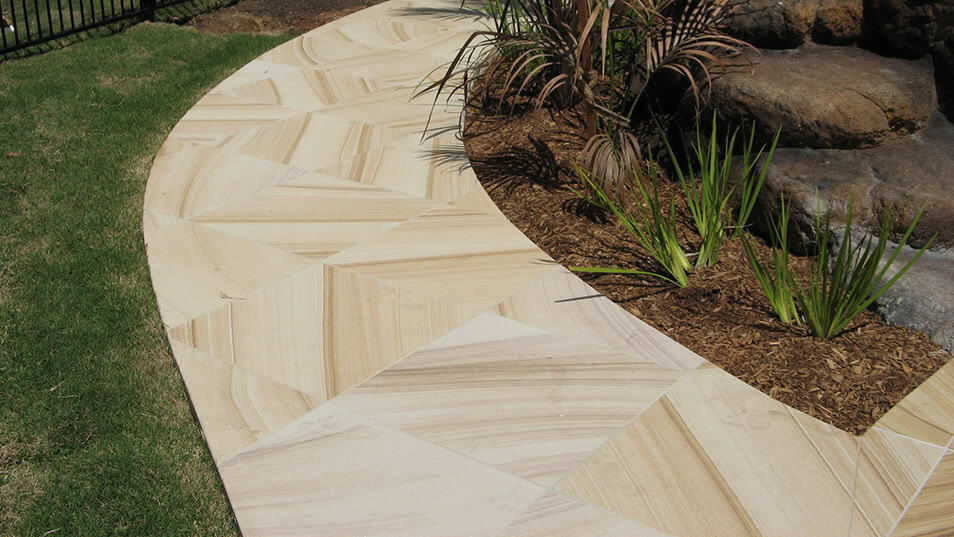
Natural sandstone pathway with warm textured stone.

Durability and Performance

Sandstone is dense, weather-resistant and ideal for outdoor environments. It handles extreme heat, heavy rain and high foot traffic without losing strength. Sandstone pathways also maintain grip even when wet, making them safer in areas such as pool surrounds and garden steps.

Pavers are durable but more prone to cracking, fading and movement over time. Changes in soil conditions and temperature can cause pavers to shift, creating uneven surfaces. Pavers may also become slippery when worn down or when mould develops.

In high-traffic or long-term landscaping projects, sandstone generally offers better resilience.

Installation and Flexibility

Sandstone can be installed in several ways, including:

  • random stepping stones
  • cut sandstone pavers
  • large slabs
  • sandstone crazy paving
  • formal walkways with squared edges

This flexibility allows for creative pathway designs that follow natural curves or structured layouts.

Pavers are typically installed in grid or patterned layouts. While this can create clean, modern lines, the design flexibility is more limited. Pavers require a precise base and often need edge restraints to prevent shifting.

For creative or natural-looking pathways, sandstone provides more design options.

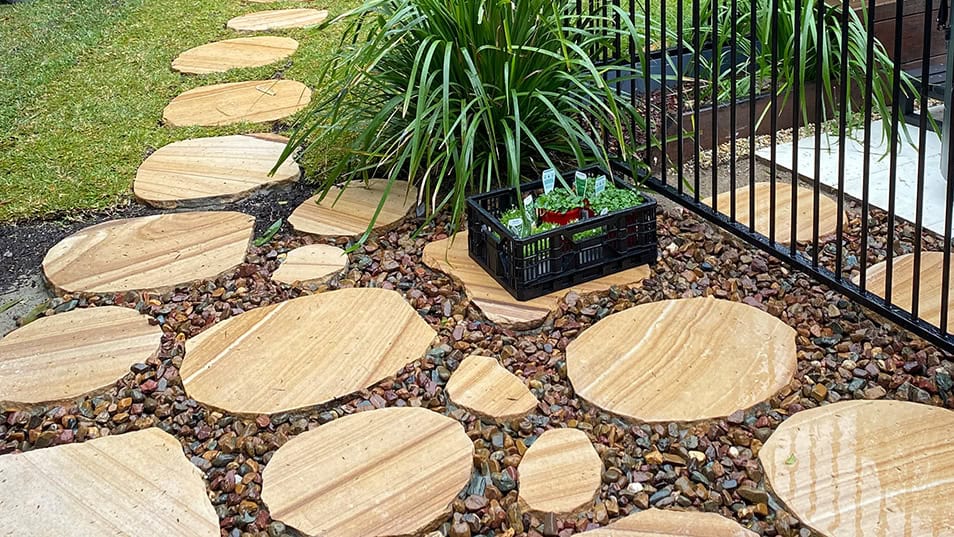
Sandstone stepping stone pathway through green garden.

Cost Considerations

Pavers are usually cheaper upfront, which makes them appealing for budget-conscious projects. However, the long-term cost should be considered. Pavers may require repairs, replacement of cracked units, re-levelling and more frequent cleaning.

Sandstone has a higher initial cost, but it offers a longer lifespan, reduced maintenance and higher visual value. Homeowners often find that sandstone delivers better long-term value and increases the appeal and resale potential of the property.

For premium landscapes or feature pathways, sandstone is the more valuable investment.

Maintenance Requirements

Sandstone requires minimal maintenance. Occasional cleaning and sealing help preserve the stone against staining or weather exposure, but many installations remain durable and attractive without frequent treatment.

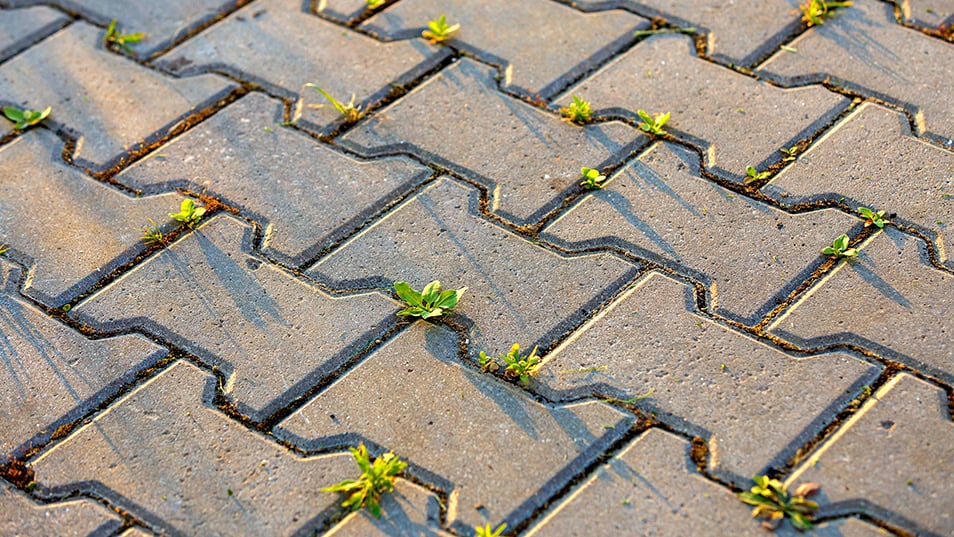
Pavers require more attention. Weeds may grow through the joints, mould can form on the surface and shifting can create trip hazards. Paver pathways often need re-sanding, pressure washing and periodic repairs.

For low-maintenance landscapes, sandstone is the preferred choice.

Paver pathway installed with uniform block pattern.

Environmental Impact

Sandstone is a naturally occurring material with minimal processing. It has low embodied energy and long-lasting performance, making it an environmentally friendly choice.

Pavers involve cement production and manufacturing processes with higher carbon output. When pavers crack or fade, they often contribute to landfill waste.

For sustainability-focused projects, sandstone is the better solution.

When to Choose Sandstone or Pavers

Choose sandstone if you want:

  • a natural and premium aesthetic
  • high durability and grip
  • unique character and variation
  • low maintenance
  • long-term value
  • pathways that blend into surrounding landscapes

Choose pavers if you need:

  • a lower cost upfront
  • a uniform, modern look
  • geometric or patterned pathway designs
  • quick large-scale installation

Elite Sandstone for Superior Style and Performance

Sandstone and pavers both serve practical functions, but sandstone provides a more durable, visually appealing and long-lasting option for pathways. The natural beauty of sandstone combined with its strength makes it ideal for Queensland landscapes that require both style and performance.

For homeowners and landscapers seeking a high-quality outdoor walkway that enhances the property, sandstone pathways offer superior long-term benefits.

Browse Sandstone Pavers & Tile Products

Find us on Google Maps

Sandstone vs Concrete: Which Material Is Better for Your Landscaping Project

13 November 2025

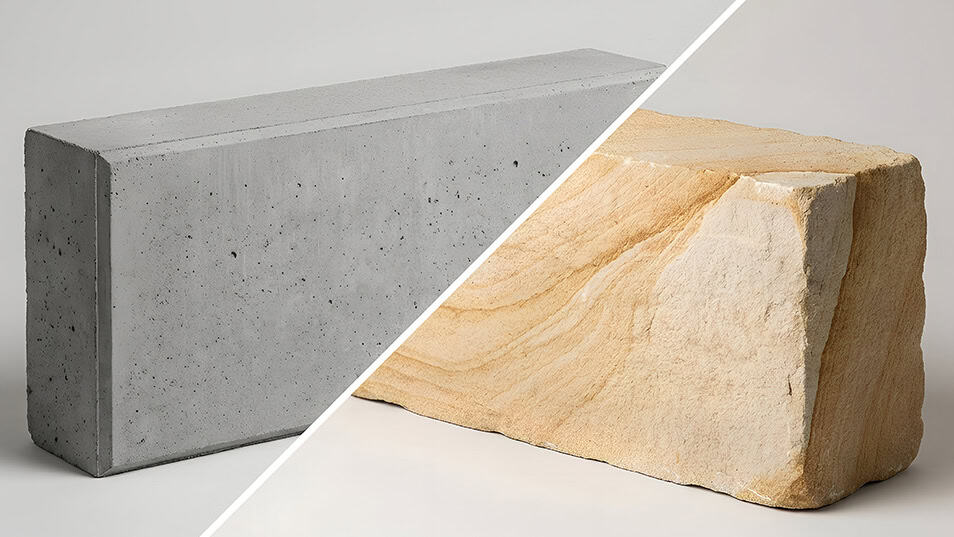
Sandstone and concrete blocks comparison for landscaping projects

When planning a new landscaping project, one of the most important decisions is choosing the right material. Sandstone and concrete are two of the most widely used options for retaining walls, garden edging, pathways and outdoor construction. Both materials offer different benefits and suit different types of projects, but understanding their performance, appearance and long-term value can help you make the right choice for your property.

This article compares sandstone and concrete across durability, cost, aesthetics, maintenance and environmental impact to help property owners and landscapers choose the most suitable material.

Natural Appearance and Aesthetic Appeal

One of the biggest differences between sandstone and concrete is the way they look. Sandstone is a natural stone formed over millions of years, which means every block or piece has unique colour tones, grains and veining. This natural variation adds visual depth and creates a high-quality finish that blends seamlessly with Queensland landscapes.

Concrete, on the other hand, is a manufactured product that offers uniform texture and colour. While this consistency suits modern designs, it lacks the natural beauty and character of stone. Concrete can also fade over time, especially when exposed to sunlight and weather.

For projects where appearance is a major consideration, sandstone provides a premium, timeless finish that works well for feature walls, retaining walls, garden steps and pathways.

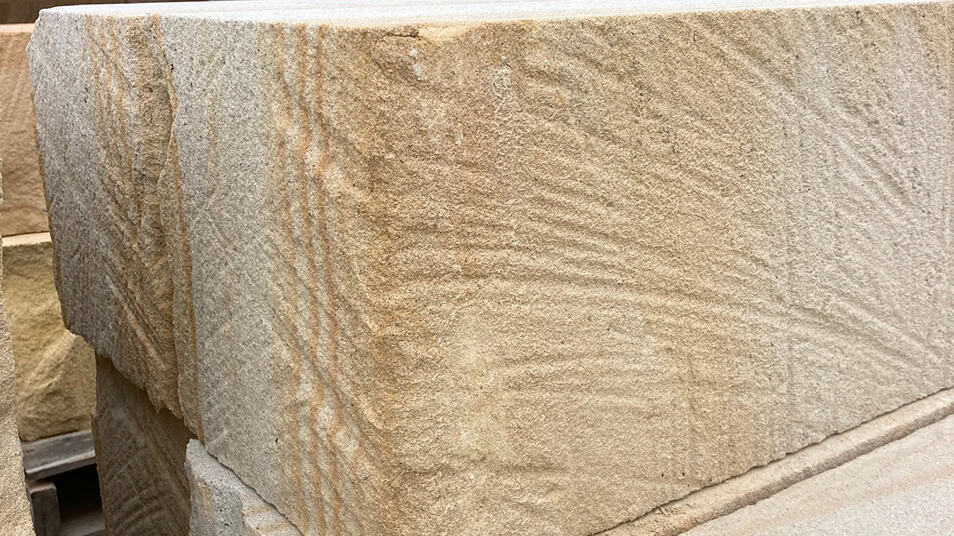
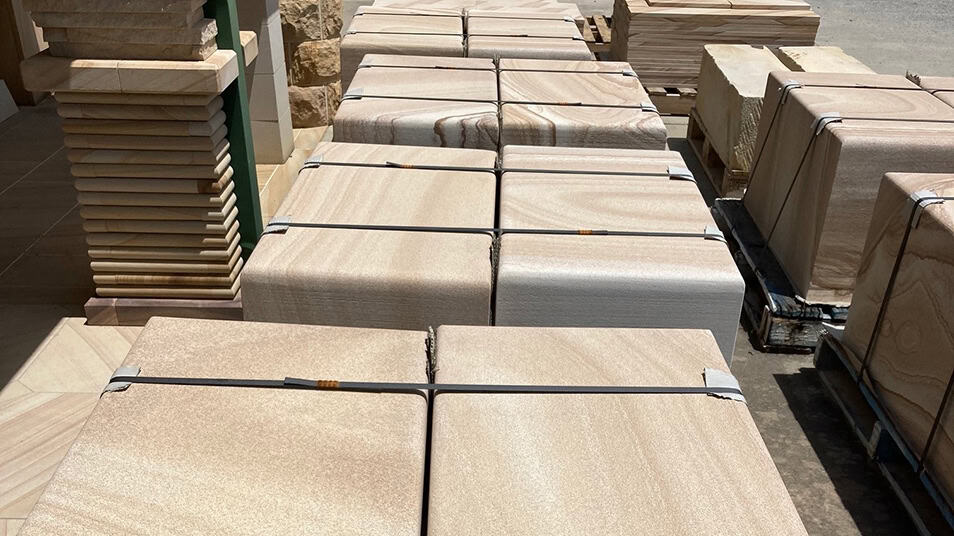
Natural sandstone texture used in outdoor construction

Durability and Strength

Both sandstone and concrete offer strength and structural stability, but sandstone performs better in long-term outdoor applications. Natural sandstone is dense, weather-resistant and holds its integrity under heat and heavy rain. It does not warp or crack easily and can last for decades with minimal maintenance.

Concrete is strong when newly installed, but it is more prone to cracking, erosion and surface wear over time. Temperature changes, soil movement and moisture absorption can weaken concrete structures. In retaining walls, cracked concrete may lead to structural issues, while sandstone remains more stable under similar conditions.

Concrete retaining wall with smooth block surface

For structural projects exposed to harsh weather or heavy loads, sandstone generally provides greater durability and longevity.

Cost Comparison

Concrete is often chosen for budget-driven projects because the upfront cost can be lower than that of natural stone. However, long-term maintenance and replacement costs should be considered. Concrete may require repairs or resurfacing over time, which adds to the total cost of ownership.

Sandstone has a higher initial cost compared to basic concrete, but it offers better long-term value due to its durability and minimal maintenance requirements. Sandstone blocks and boulders also cover more visual area per piece, which can reduce installation time and labour costs depending on the project.

When long-term performance and reduced maintenance matter, sandstone can be more cost-effective overall.

Installation Requirements

Concrete requires precise installation to avoid future cracking or shifting. This includes reinforced footings, proper compaction and additional structural support. Incorrect installation can quickly lead to costly repairs.

Sandstone is more forgiving during installation. Large stone blocks are naturally stable, and irregular pieces can be adjusted to suit the shape of the project. Sandstone is commonly used by landscapers because it allows flexibility while still achieving a strong finished structure.

DIY installers also find sandstone easier to manage in small projects such as garden edging and steps.

Maintenance and Longevity

Sandstone requires very little maintenance. A high-quality sealer is recommended for exposed areas, but even unsealed sandstone holds its colour and structure well over time. Washing with water is usually enough to maintain its appearance.

Concrete requires more frequent care. It may need sealing, resurfacing or crack repairs every few years, depending on its use and exposure. Faded concrete may also require repainting or re-coating to restore its appearance.

Sandstone generally lasts longer with fewer maintenance costs, particularly in Queensland’s climate.

Environmental Impact

Sandstone is a natural, quarried product with minimal processing, making it one of the most environmentally friendly building materials available. It does not contain chemicals or artificial colourants and has a long lifespan.

Concrete has a higher environmental impact due to the production of cement, which requires significant energy and emits carbon dioxide. Concrete waste is also more difficult to dispose of.

For environmentally conscious projects, sandstone is a more sustainable option.

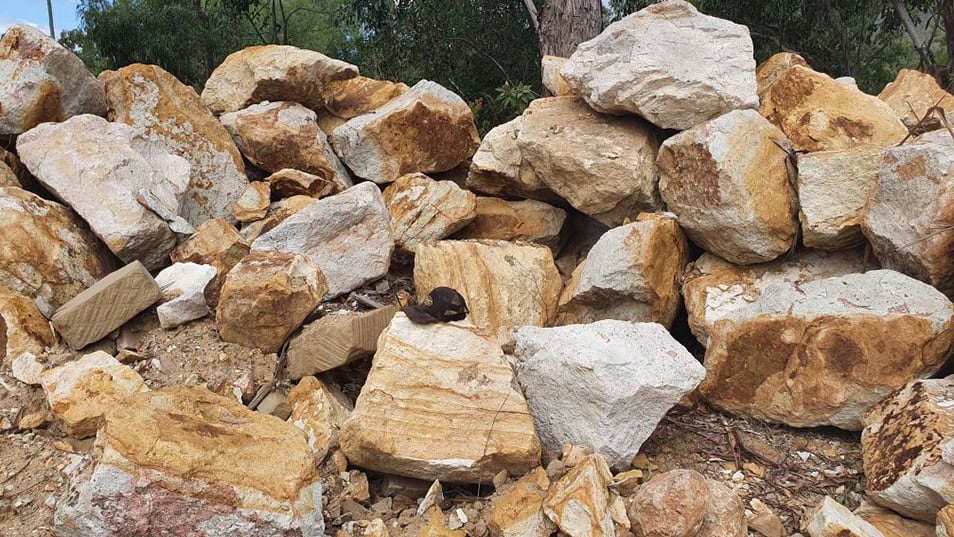
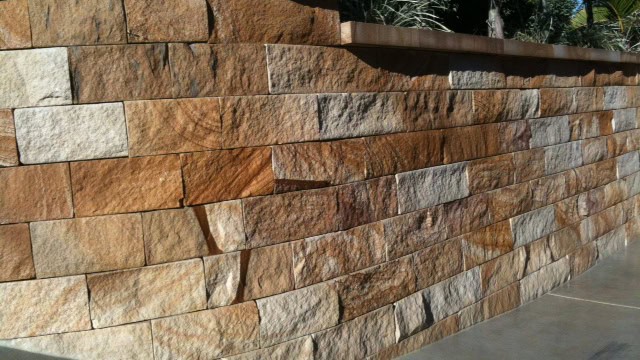
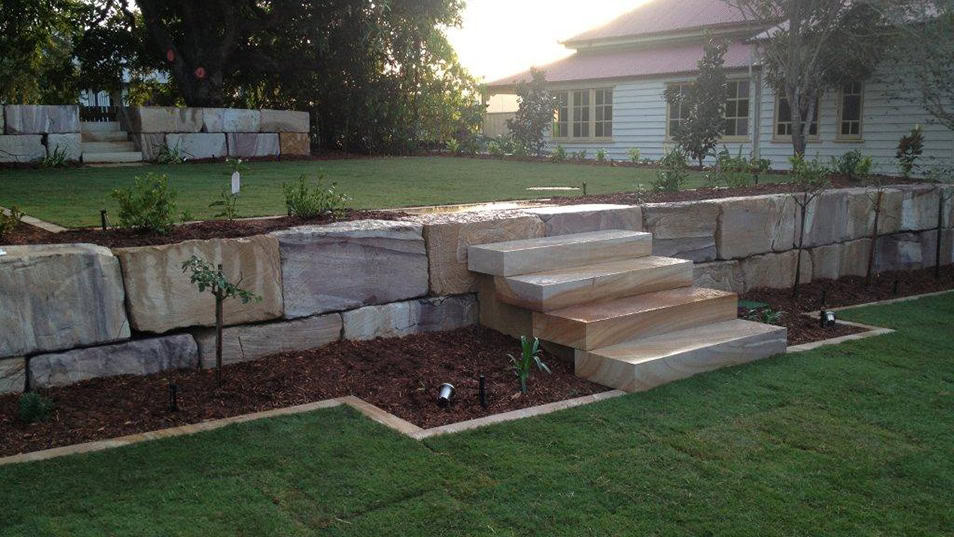
Natural sandstone retaining wall used in Queensland landscaping

When to Choose Sandstone or Concrete

Sandstone is best for:

  • retaining walls
  • feature walls
  • garden edging
  • pathways and steps
  • landscaping around pools and outdoor areas
  • projects where appearance and longevity matter

  Concrete is suitable for:

  • driveways
  • large-scale commercial surfaces
  • budget-sensitive projects
  • modern designs requiring uniform colour

Final Verdict

Sandstone products offer better long-term durability, visual appeal and environmental benefits compared to concrete. While concrete may be cheaper upfront, the natural beauty, strength and longevity of sandstone provide greater value for most landscaping and structural projects.

For homeowners and landscapers looking for a premium finish that withstands Queensland conditions, sandstone is the preferred choice.

Footer

footer-elitesandstone-logo

Visit our sandstone built display house located in Yatala between Brisbane and Gold Coast in Queensland. Our Helidon sandstone Queensland is unique to Australia and can accommodate any project requirement.

We supply sandstone garden edging, sandstone feature wall, and many more, anywhere in Australia.

Contact Elite Sandstone

Address: 11 Old Pacific Highway
Yatala, Queensland, 4207

Mobile: 0477 218 198

Opening hours

Please refer to Google Business for daily updated hours

Otherwise by Appointment

Copyright © 2025. Elite Sandstone. All Rights Reserved.

Website Designed and Developed by Balar Media Group.